
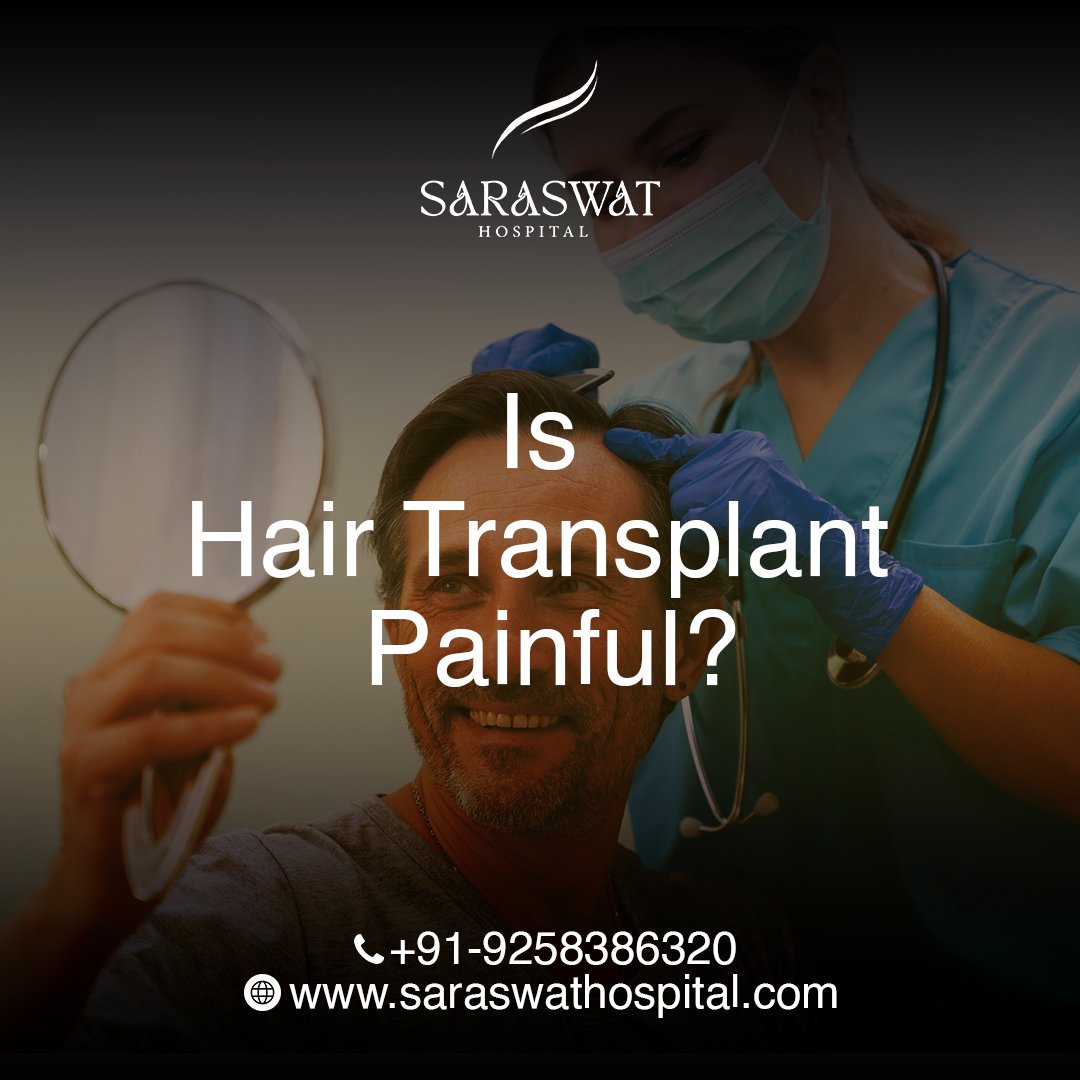
Hair loss is one of the major concerns for many people, and hence, people try seeking effective and durable solutions. Among all the options, hair transplantation is considered one of the most reliable approaches. Knowing what to expect with the surgery will help in dissipating apprehension, hence setting realistic expectations for anyone preparing for it.
What to Expect During a Hair Transplant Procedure?
First of all, before going deep into how painful a hair transplant procedure is, it becomes necessary to know what happens in the process. Hair transplants typically include the extraction of hair from one area of the body and transplanting it to the balding or thinned area. The whole procedure is generally performed under local anesthesia.
How Does Local Anesthesia Work in Hair Transplants?
Tumescent local anesthesia using a stabilized lidocaine-epinephrine solution is the clinical standard for ensuring a pain-free surgical field. This solution is injected into the subcutaneous layer, creating a “turgid” state that separates the scalp skin from the skull, protecting deep nerves and blood vessels. Patients typically feel a 2-to-5 second stinging sensation during the initial administration, after which the scalp remains fully desensitized for 4 to 6 hours. Modern clinics utilize vibration-assisted devices (VibraCool) to disrupt pain signaling during these initial injections. This foundational numbing allows for the high-precision extraction of follicles without patient distress.
Is the FUE Hair Transplant Extraction Process Painful?
Follicular Unit Extraction (FUE) utilizes micro-punches (0.7mm to 0.9mm) that result in shallow wounds, which do not require sutures or deep tissue manipulation. Because the anesthesia blocks the peripheral nerves, the patient experiences a sensation of dull pressure rather than sharp pain during the harvesting phase. Statistical data indicate that FUE patients report a lower intra-operative discomfort level compared to traditional strip surgery (1). The extraction phase is the most labor-intensive part of the day, yet most patients remain comfortable enough to watch media or sleep. The minimal trauma of FUE directly dictates the speed of the subsequent healing phase.
Post-Procedure Discomfort
What the patient cares about is the recovery period. One may feel a little discomfort, tightness, or soreness at the site of treatment. This discomfort, however, is usually mild and can be dealt with through over-the-counter pain relief medicines. The discomfort, in general, should disappear in a few days or within one week at most.
What is the Typical Hair Transplant Recovery Timeline?
Stabilization Period: Physical recovery follows a strict 7-to-10 day biological window essential for tissue stabilization.
The First 48 Hours: Donor and recipient sites undergo scab formation to provide a protective barrier for newly implanted grafts.
Day 4 Milestones: Micro-incisions from FUE procedures typically close, and residual soreness often transitions into a mild itching sensation.
Activity Resumption: Most patients are clinically cleared to resume non-strenuous office work within 72 hours of the surgery.
Long-Term Impact: Adhering to this timeline is vital for comparing the sensory outcomes and success rates of different surgical methods.
Factors That May Influence Pain Levels
While hair transplantation is generally a safe procedure, several variables can determine the sensation of pain for the patient during the procedure. These include:
- Type of Procedure: The two major hair transplant techniques are the Follicular Unit Transplantation and the Follicular Unit Extraction. FUT can be relatively more painful after the surgery because of the stitches on the scalp, while FUE is less invasive with less pain and quicker recovery.
- Expertise of Clinic: The best hair transplant clinic selected will have a huge impact on the pain level. Most of the top-rated clinics have highly qualified surgeons and use advanced technology, which offers less painful procedures.
How to Manage Scalp Swelling after Hair Restoration?
Post-operative edema is a natural inflammatory response that typically peaks between day 2 and day 4. Patients must sleep with the head elevated at a 45-degree angle using a travel pillow to prevent fluid from migrating to the periorbital (eye) area. Cold compresses should be applied to the forehead for 15 minutes every hour, but never directly on the transplanted grafts. This mechanical drainage approach is often supplemented by prescribed pharmacological agents to ensure total comfort.
Tips for a Comfortable Hair Transplant Procedure
The following are some tips that may further ease discomfort and improve the overall experience:
- Stay Hydrated & Well-Nourished: Staying hydrated and well-nourished before the surgery will ensure that your body can handle the surgery. Proper nutrition will ensure that you heal quickly and that discomfort is avoided after the surgery.
- Take Rest After Surgery: You should prepare a comfortable place to rest in your home. Using soft pillows to elevate your head will help to reduce swelling and recover faster.
- Pre-Surgical Preparation: Avoiding those things that the clinic recommends avoiding before surgery, such as alcohol or other medications, will ensure that there are no complications or discomfort.
- Communicate with Your Surgeon: You can ask any questions that you may have or express your concerns about discomfort. Experienced surgeons will change their approach based on the comfort level of the patient and provide solutions for overcoming all types of discomfort.
- Wear Loose, Comfortable Clothing: On the day of the procedure, wear clothes that do not need to be pulled over your head to avoid disturbing the treated area.
Conclusion
The answer to this is usually an encouraging “no” for the majority. This is because, firstly, advances in medical technology have eased discomfiture. Secondly, only the right hair transplant clinics are capable of doing this. The recovery period following a hair transplant is relatively short, and the patients can resume daily activities within a few days. Thus, by following the process, desirable results can be achieved with comfort provided from start to finish.
Sources:
(1) Comparison of postoperative pain according to the harvesting method used in hair restorative surgery.
FAQs
1. Is a hair transplant painful during the procedure?
The whole procedure is done under local anesthesia, so most of the time, the patients have no pain during the transplantation.
2. Time required for recovery after hair transplant
Recovery time after a hair transplant mostly takes 2 to 6 days. But complete recovery and healing of the damage in the patient’s dermal layer takes a few weeks.
3. Can any pain relief medication help manage post-procedure discomfort?
Over-the-counter pain relievers are quite effective for any discomfort that might result from the procedure.
4. Is the intensity of pain different for FUT and FUE techniques?
Yes, FUT can be perceived to be more painful post-surgery as compared to FUE due to the nature of the surgery.
5. What is done to minimize pain and accelerate the recovery process?
Picking the right hair transplant clinic and following religious post-operative care will reduce pain and hasten recovery.
Follow us on:- Facebook, Instagram, Pinterest, Youtube
Read More:- Best Hair Transplant in India