
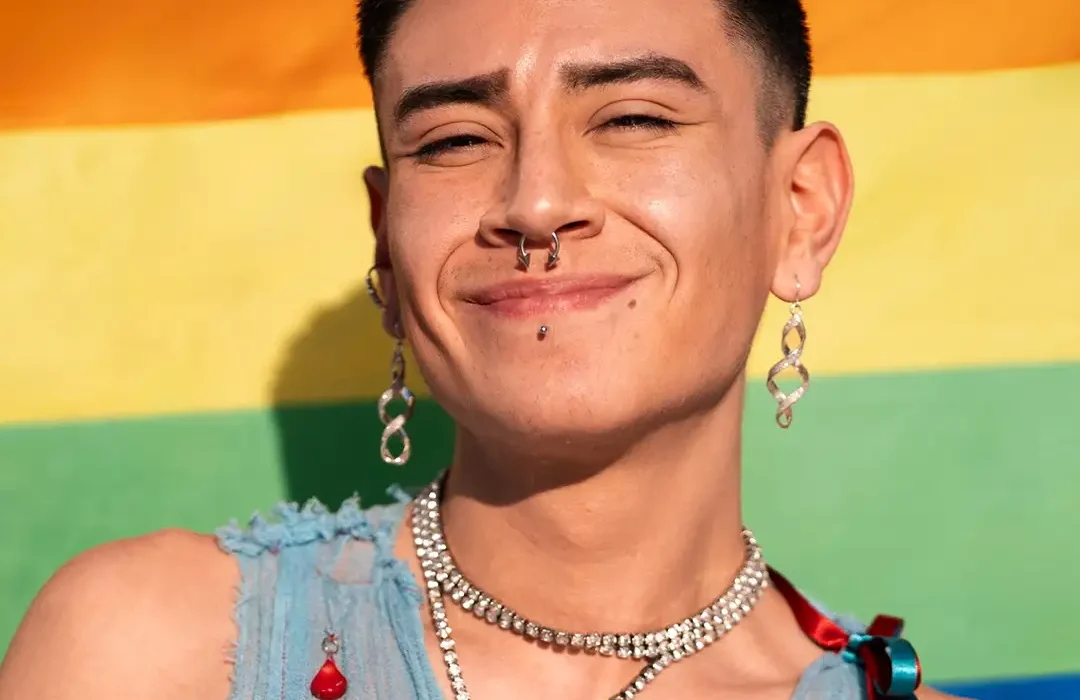
Transgender Hair Transplant
We believe that hair plays a significant role in one’s appearance, but for a transgender person undergoing the transition process, it becomes most crucial. Our transgender hair transplant service is created with a focus on encouraging you to embrace a softer female-like hairline or a strong male-like beard that reveals the true you.
We understand that hair is more than a cosmetic feature – it is an essential element of who you are. For a transgender individual, having a hairline or facial hair that matches their desired gender expression may be a developmental option in their transition. Whether it is a feminine hairline or a boost of a masculine feature that you seek, a hair transplant for a transgender person may be a customized option for you.
What is a Transgender Hair Transplant?
A transgender hair transplant is a specialized type of hair transplantation that is designed for the unique needs of transgender persons with the aim of helping them bring their physical features in line with their identity. Tailor-made for the needs of transgender persons, a hair transplant involves moving hairs from a donor area (which is usually the back/sides of the head) to a spot where the person is losing hair or to create a defined hairline, eyebrows, or body hair for a male or female or androgynous appearance.
The Importance of Hair in Life and Gender Identity
Hair is one of the most visible gender expression characteristics. Hair is a critical component in how a person is viewed by others and how they view themselves. For transgender people, hair can:
- Reduce gender dysphoria
- Self-esteem and body image improvement
- Support Social Transition
- Enhance Emotional and Mental Well-Being
- Enable people to feel more genuine and confident
This can, of course, heighten feelings of discomfort or distress, particularly when the issue of hair loss or the type of hairline obstructs or opposes one’s gender ideology. This is the reason why hair restoration is an imperative aspect of gender-affirming treatment.
Early Stage vs Late Stage
Early Stage
In the early stages of the change, transgender persons often look for options aimed at restoring hair, particularly during this phase:
- Hormone therapy may have just begun
- Hair loss can range from mild to moderate
- Hairline reshaping is purely preventive.
- Improvement of density is easy.
- You can get faster results
Late Stage
In the late stage:
- Advanced hair loss
- You may get larger bald areas
- Requirement of multiple sessions
- Management of the donor area becomes critical
- The design also needs to match the final gender expressions
Why Choose a Transgender Hair Transplant?
Hair plays a major role in gender affirmation. For some members of the transgender community, hair loss might not be fully remedied by hormonal treatments or provide them with their wanted hairline appearance. The potential gap for modification by hair transplants for such persons has been covered here:
- For Male-to-Female (MTF)
- Feminize Your Hairline: Change your receding, "M"-shaped male hairline into a lower, rounded, and more delicate feminine hairline.
- Combat Hair Loss: Treat androgenetic alopecia (male pattern baldness) hair loss in case it coexists with hormone therapies.
- Increse Confidence: Get a more complete and balanced hairline ideal for complementing facial feminization surgery (FFS) procedures.
- For Female-to-Male (FTM)
- Masculinize Your Appearance: Establish your hairline to create an angled or square shape. Grow your facial hairs to create a beard or a moustache.
- Fill in Gaps: Correct areas of poor hair growth from testosterone therapy.
- Complete Your Transformation: You also need to consummate your transformation by acquiring a hard and male physique to match your identity.
Our Procedures
We employ the newest techniques of hair transplantation to give you natural-looking hair transplant results. Our team of surgeons has experience in hair transplantation procedures that can blend their abilities according to your needs, hair type, and status of balding. We provide:
1. Follicular Unit Extraction (FUE)
2. Direct Hair Implantation (DHI)
3. Facial and Body Hair Transplants
Our team at Saraswat Hospital takes into account the unique directional flow of male and female hairlines, ensuring results that are both aesthetically pleasing and gender-affirming.
How Is Hair Transplant Performed for Transgender Individuals?
The process is similar to that of the normal hair transplantation procedure, but this is planned based on gender-specific goals.
Step-by-Step Process of Transgender Hair Transplant Surgery. Undergoing a transgender hair transplant is a well-thought-out and personalized process, and the goal of such an endeavor is not just the hair grafting but also the aesthetic results of the same process, which provide the transgender individual with the desired look.
Consultation and Assessment: The process starts with a thorough consultation wherein the surgeon checks the general condition of the scalp, the amount of hair loss, facial hair design, and the texture and density of hair present in the donor site. Medical history, hormone therapy, and other related factors are also examined. The sex of the individual, their expectations and requirements, and how they would like to look are all discussed during the process.
Hairline Design: Hairline design plays one of the most important roles in transgender hair transplant surgery. Based on facial structure, age, and aesthetic goals, a gender-appropriate hairline is carefully drawn. More delicately rounded, softer, and low-set hairlines for the transgender women, while the design of straight and masculine hairlines was done for the transgender men. This stage provides the result with a natural look that considers the patient’s gender identity.
Extraction of Hair from Donor: Hair follicles that are healthy are extracted from the donor area, generally from the back of the head, where hair is genetically resistant to hair loss. This process is done using FUE or FUT, under local anesthesia. You will be awake throughout the procedure, but you won’t feel any pain. Depending upon the number of grafts, it could take anything between 4 to 8 hours.
Graft Preparation: Once the grafts are extracted, the follicles are closely inspected under a microscope, arranged according to the thickness achieved and the number of hairs per graft. Such a precise arrangement is critical in attaining the desired density, such as that found at the frontal hairline, where individual grafts are required.
Implantation of Grafts: The prepared grafts were then implanted, imitating the natural angle, direction, and density of growing hair. This process demands a very skillful and artistic touch, as it decides the look and reality of the final result.
Post-Procedure Care: Following post-procedure care allows proper healing and attains optimal results. This includes procedures to wash the scalp, medications to avoid infections and swelling, and activity limitations, to name a few. This is an integral part of a safe procedure to allow long-lasting results of hair growth.
Benefits
This procedure boosts your confidence and provides you with many benefits. Here are some of the benefits you can get:
Natural-looking Results
Transplanted hair grows naturally and lasts a lifetime with proper care.
Customized Design
This is done based on the features of your face and gender for an aesthetically pleasing look.
Increased Self-Esteem
Coordinate your physical appearance with yourself and work on self-confidence.
Safe & Proven
Performed by skilled surgeons using advanced technology.
Non-Surgical Treatment Options
However, not every transgender person requires surgery. There are some who may even benefit from other non-surgical procedures, like:
- Minoxidil which helps in hair regrowth
- Finasteride
- PRP therapy
- Low-level laser therapy
Recovery Period After Transgender Hair Transplant
The recovery period after the procedure is usually smooth, provided you follow all the instructions provided by the surgeon. The recovery occurs in stages:
First 7–10 Days:
-You may feel mild swelling and redness, which is normal.
-Tiny scabs that formed around the transplanted grafts will naturally fall off.
-The donor area will start healing.
4–6 Weeks
-In this period, the transplanted hair may start shedding, which is a part of the process and called “shock loss”.
-The scalp starts to resume its normal appearance.
3–6 Months
-You will see the growth of new hair becoming visible.
-The density of hair will improve gradually.
9–12 Months
-Final results become clearly visible.
-The hair appears natural, healthy, and permanent.
Back to Daily Routine
-The vast majority of people are able to resume their regular daily activities within 2-5 days post-procedure. The only restriction is the need to avoid heavy exercise or sun exposure for a short period of time.
Risks to be Considered
As in any surgical process, there could be risks associated with hair transplants in transgender individuals, but these are negligible if conducted by skilled professionals such as those found in Saraswat Hospital, including:
- Temporary Swelling or Redness: This is very typical during the early healing process.
- Infection or Scarring: Some possible complications that can be prevented by adhering strictly to post-operative care.
- Unsuccessful Grafts: There is always a slight chance of unsuccessful transplants, in case the follicles do not grow in the implant.
However, rest assured that our procedures are the most advanced in the world, and the likelihood of. Since all these will be considered in your consultation, our team will work towards a plan for the best possible outcomes.
Do Transgender Hair Transplants Have Good Results?
The reason is that the success rate for transgender hair transplant operations is very satisfactory, as confirmed through experience by Dr. Satya Saraswat, and the success of any hair transplant operation depends on various significant factors, including the donor hair, expertise, formation of hairlines, expectations, and many more. However the success rate of hair transplant at Saraswat Hospital is 95-98%. In general, the transgender patients have revealed high satisfaction ratings with the hair transplant, enhancing their self-confidence levels and reducing their dysphoria as well, which makes it the most satisfying part for the transgender population during their gender transformation process.
Costs of Transgender Hair Transplant at Saraswat Hospital
The cost for transgender hair transplants will depend upon several parameters:
- Procedure Type: The prices of FUE and DHI could be different depending on complexity.
- Number of Grafts: This is expected to cost according to the number of grafts required, as is shown in your level of hair loss.
- Area Treated: Scalp hairline repairs may not be priced in the same range as hair restorations for the face or chest.
For a complete evaluation of your hair and cost, book an online consultation with us!
Pre- & Post-Care Tips
- Avoid alcohol and smoking for at least a week before and after the surgery.
- Refrain from sun exposure for one week.
- Follow the medications suggested by the surgeon.
- Please follow the aftercare instructions carefully for successful healing.
- Visit the clinic for the follow-ups.

Why Saraswat Hospital?
At Saraswat Hospital, our doctors are ABHRS and ISHRS-certified and have a special insight into transgender patients and are very skilled at working with MTF and FTM clients and are also well-versed in current technology such as FUE and DHI to offer them outstanding and natural results. We value our clients highly, fostering a warm and caring environment in which their comfort and identity rank highest on our list of priorities, earning their lifelong loyalty and trust to achieve a positive outcome of their gender identity change.
Certifications & Partnerships









The Saraswat Hospital Credentials

17000 +
Happy Clients

20 +
Years of Experience

98%
Hair Growth Rate

1500 +
Cases of Grade 5/6

4.9
Google Ratings
EXCELLENTTrustindex verifies that the original source of the review is Google. The results look natural and I am very happy with the outcome.Posted onTrustindex verifies that the original source of the review is Google. Very professional doctor consultation. The doctor explained everything clearly and suggested the right treatment.Posted onTrustindex verifies that the original source of the review is Google. Best decision choosing doctor for hair treatment. Honest advice and noticeable improvement in a short time. Truly cares about patients and their results.Posted onTrustindex verifies that the original source of the review is Google. Doctor is excellent for prp treatment. Very knowledgeable, professional, and explains everything clearly. The procedure was smooth and I'm already seeing great results.Posted onTrustindex verifies that the original source of the review is Google. Excellent service. The consultantion was thorough and all my questions were answered clearly.Posted onTrustindex verifies that the original source of the review is Google. Great consultation experience. Very professional, clear explanations and I felt comfortable the entire time.Posted onTrustindex verifies that the original source of the review is Google. Highly satisfied with the consultation. The doctor was patient, explained everything clearly and suggested practice solution. Truly worth it.Posted onTrustindex verifies that the original source of the review is Google. Great clinic, clean environment, and skilled doctors. My confidence is back thanks to this amazing team.Posted onTrustindex verifies that the original source of the review is Google. So happy with my hair transplant results. Staff was friendly and the whole process was smooth and comfortable.Verified by TrustindexTrustindex verified badge is the Universal Symbol of Trust. Only the greatest companies can get the verified badge who has a review score above 4.5, based on customer reviews over the past 12 months. Read more