
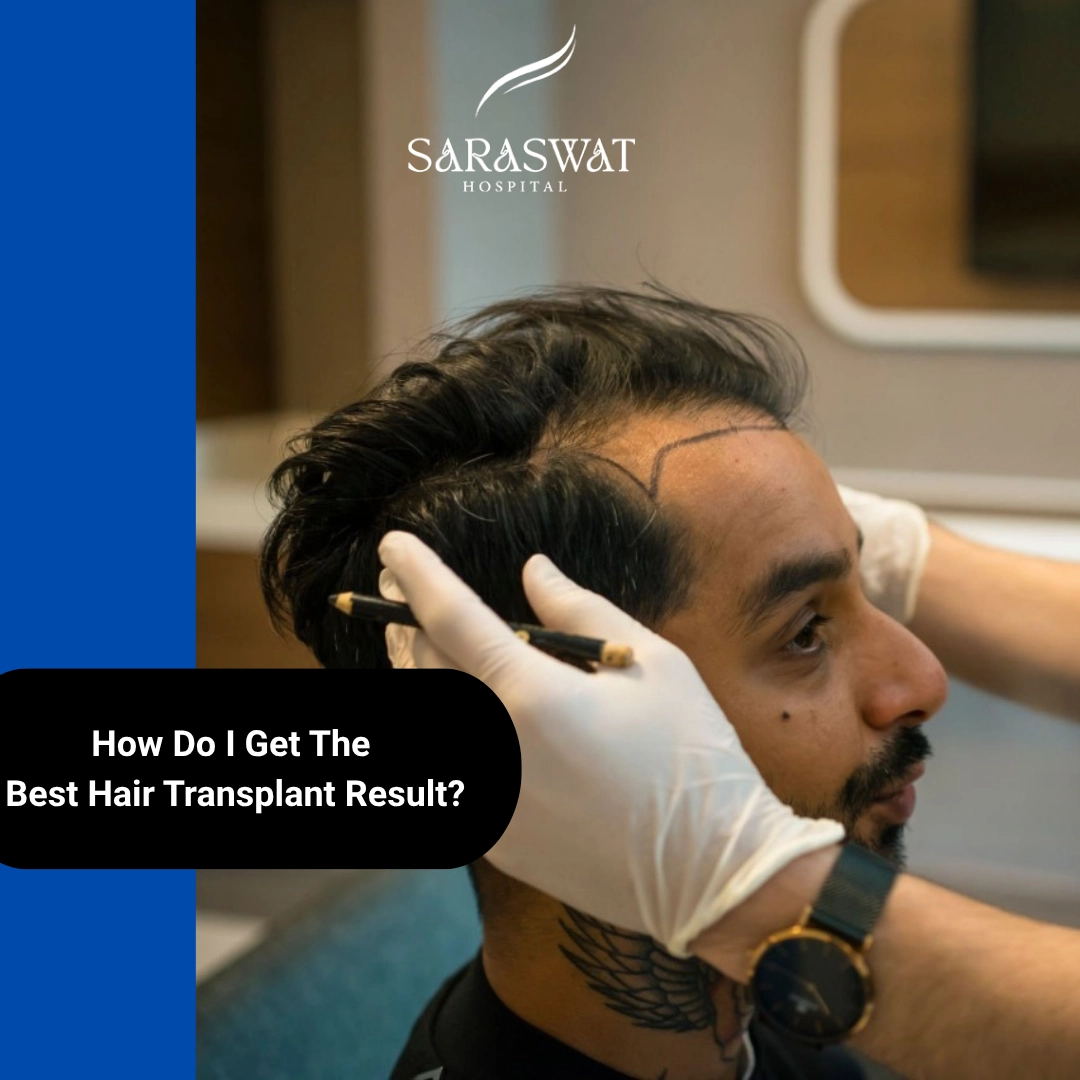
Anyone who considers a hair transplant wants the best result for themselves. However, it requires several points to keep in mind, choose from a well-known experienced surgeon to follow the aftercare routine. Patients often look to match their existing hair growth and enhance its appearance. You will get to learn about the key points and factors to get the best hair transplant result possible.
Optimizing Hair Transplant Success Rates
Clinical success in hair restoration is measured by graft survival rates exceeding 90% and the achievement of natural-looking density. High-yield results depend on a combination of surgeon precision, graft hydration, and the physiological health of the recipient’s scalp. Identifying a clinic that prioritizes these clinical metrics is the first step toward long-term restoration.
Evaluating Surgeon Credentials and ABHRS Certification
Board certification by the American Board of Hair Restoration Surgery (ABHRS) or the International Society of Hair Restoration Surgery (ISHRS) ensures that a surgeon has undergone rigorous evaluation of their clinical skills and ethical standards. Patients should prioritize surgeons like those at Saraswat Hospital, where Dr. Satya Saraswat and Dr. Preeti Saraswat maintain ABHRS credentials. Verified credentials correlate directly with lower complication rates and more precise hairline design.
FUE vs. FUT: Selecting Optimal Techniques
Patients seeking a minimally invasive approach without linear scarring choose Follicular Unit Extraction (FUE), while Follicular Unit Transplantation (FUT) defines the gold standard for high-volume graft requirements. Surgeons tailor the technique to the patient’s donor density and scalp elasticity to maximize total graft harvesting. Preparing the scalp for these specific methods requires strict adherence to pre-surgical clinical protocols.
Pre-Operative Protocols for Graft Survival
Patients must cease smoking and the consumption of alcohol at least two weeks prior to surgery to ensure optimal blood oxygenation for the grafts. Nicotine acts as a vasoconstrictor, which can starve newly transplanted follicles of the blood supply necessary for immediate survival. These systemic preparations set the foundation for the critical post-operative healing window.
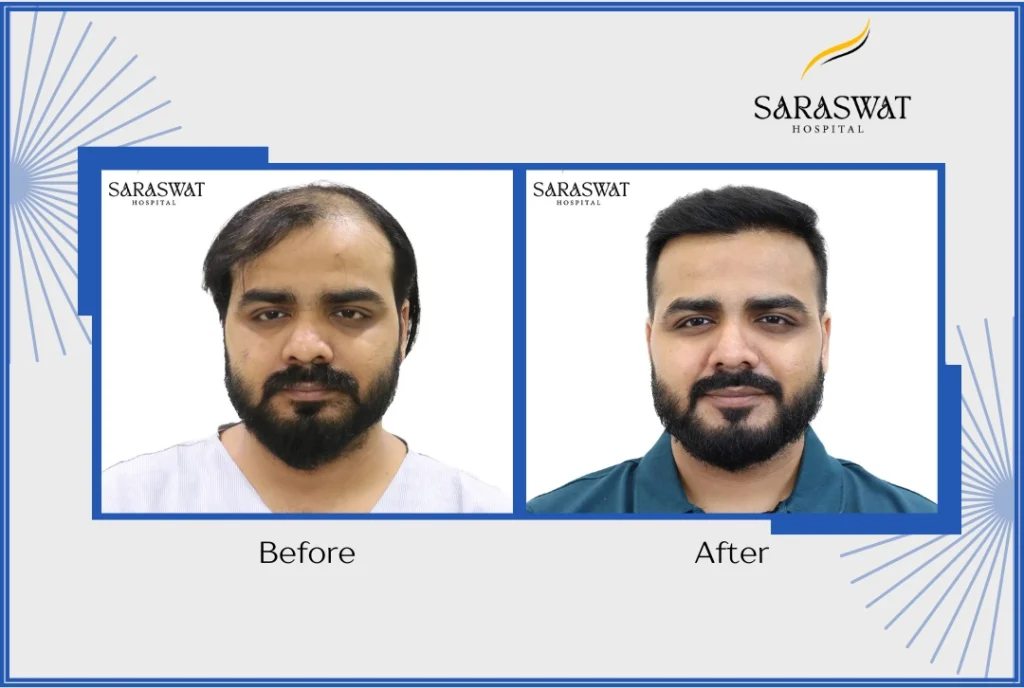
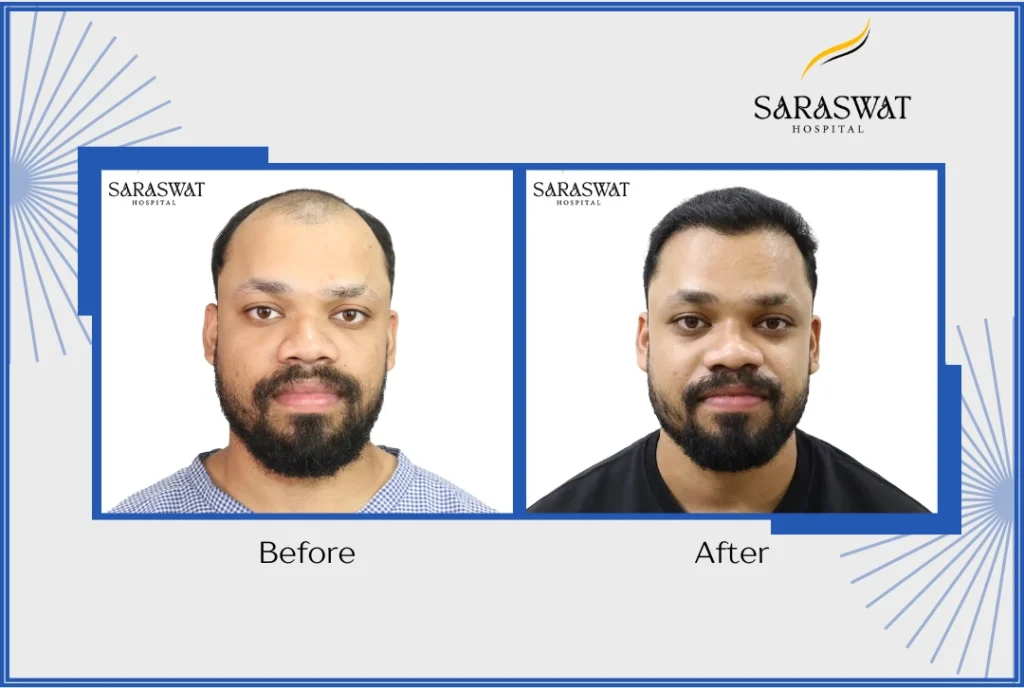
View More Hair Transplant Results
Post-Operative Care and Graft Anchoring
- Physical Anchoring Period: Transplanted grafts require approximately 10 to 14 days to become securely anchored within the recipient’s scalp tissue.
- Critical 72-Hour Window: During the initial 72 hours, patients must strictly avoid mechanical friction or direct pressure to prevent the risk of graft dislodgement.
- Maturation Transition: Adhering to these protective measures ensures the follicles transition safely into the clinical maturation phase.
Timeline for Post-Transplant Hair Maturation
Visible hair growth typically initiates between months three and six, with full density and terminal hair maturation occurring between months 12 and 18. This biological timeline is governed by the hair growth cycle, where transplanted follicles often enter a temporary resting phase (telogen) before regrowth. Utilizing advanced instrumentation can often streamline this recovery and improve final density.
Advanced Instrumentation and Clinic Safety Standards
The use of the Choi Impanter Pen at Saraswat Hospital reduces the handling of delicate follicles, which significantly increases their viability during implantation. Sterilization protocols and the use of specialized storage solutions like HypoThermosol are essential for preventing infection and maintaining graft health. Beyond clinical tools, the patient’s internal biochemistry plays a vital role in sustaining these grafts.
Nutritional Support for Follicle Health
- Metabolic Support: Optimal levels of Serum Ferritin, Vitamin D, and Zinc are clinically proven to support the metabolic demands of newly transplanted hair follicles.
- Impact of Deficiencies: Nutritional deficiencies can lead to prolonged shedding phases and thinner hair shaft diameters in the transplanted area.
- Clinical Oversight: Regular monitoring ensures these nutritional and physiological factors are optimized throughout the first year of growth.
Monitoring Growth Through Clinical Follow-Ups
Scheduled clinical evaluations allow the surgical team to monitor for signs of folliculitis and ensure the revascularization process is proceeding normally. The surgical team also uses these sessions to adjust topical treatments or supplementary therapies like PRP (Platelet-Rich Plasma) to enhance the final aesthetic result.
Key Takeaway
Getting the desired hair transplant result isn’t just about the procedure; it requires patience, choosing the best surgeon, and hospital. If you stay committed to pre- and post-procedure care, you can get the desired outcomes. Book an appointment for more information and learn more about hair transplant.
FAQs
1. Does a hair transplant guarantees permanent result?
Yes, you can get permanent results when an experienced surgeon performs the procedure, and you follow proper instructions.”
2. What should I do after the surgery?
It is essential to avoid smoking, alcohol, and heavy exercise for a few weeks.
3. Is the procedure painful?
No, a hair transplant is considered safe as it is performed under local anaesthesia. You can experience little discomfort for 2-3 minutes.
Follow us on:- Facebook, Instagram, Pinterest, Youtube