
Book an
Appointment
Best Hair Transplant Surgeon in India

Dr. Satya Saraswat

Dr. Satya Saraswat is one of the best cosmetic and plastic surgeon in India. He has an experience of over 20+ years and has performed 17,000+ cosmetic and plastic surgeries. He is an Diplomate of the American Board of Hair Restoration Surgery (ABHRS) and Fellow of ISHRS, as he has been continuously attending the International conferences and adopting the latest advancement in hair restoration science, and he has also submitting his research papers. His hands-on involvement ensures natural hairline and high graft survival.

Articles by Dr. Satya Saraswat

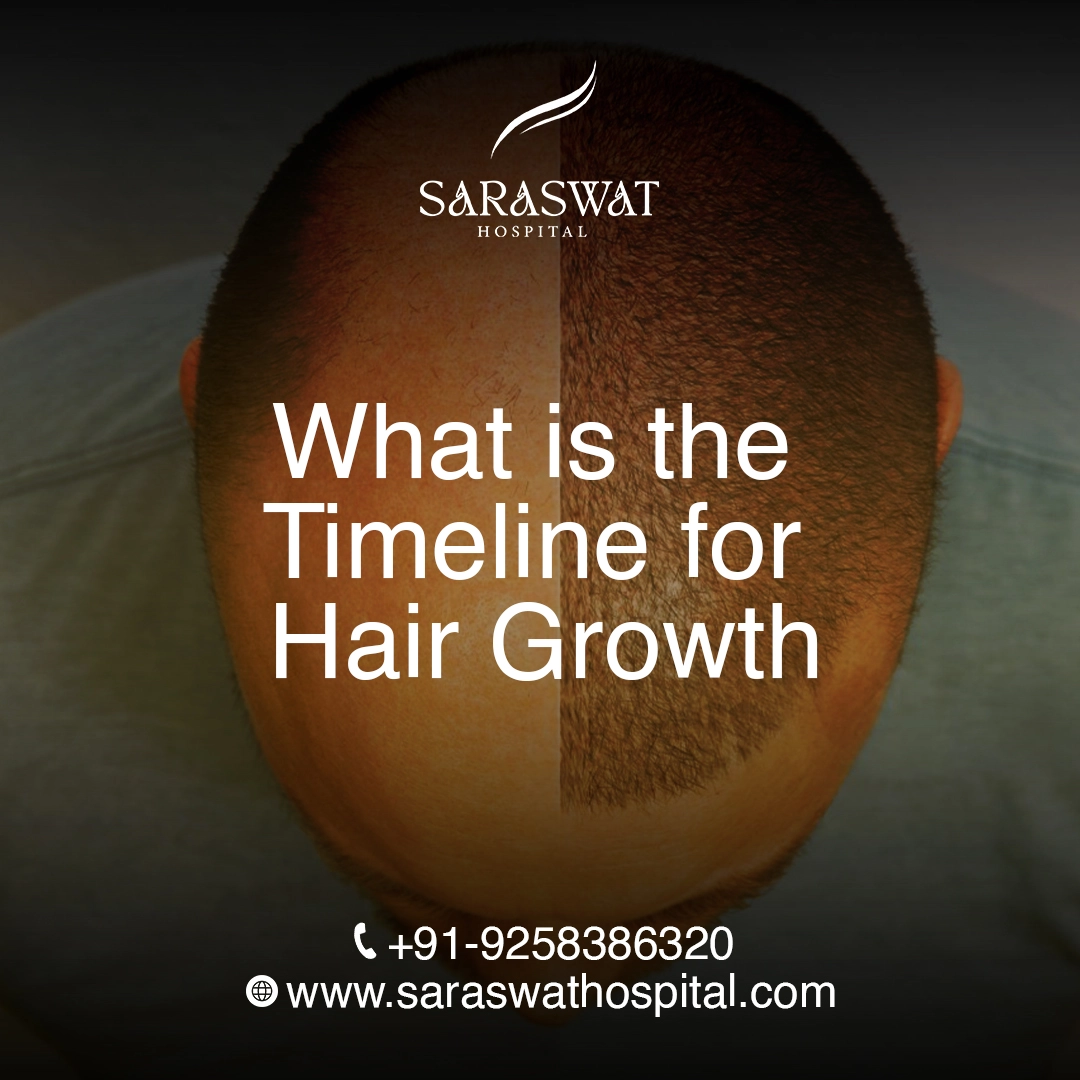
What is the Timeline for Hair Growth After Hair Transplant?

Hair transplants give you natural-looking hair growth results permanently. During the procedure, healthy hair follicles are extracted from the donor site of the scalp and implanted in the recipient site of the scalp. If everything goes as planned, the hair transplant before and after results will show a marked difference in the person’s scalp hair appearance. But how soon does this change occur? Typically, the timeline for hair growth is at least 9-12 months after the procedure before the full effects of a hair transplant can be completely seen.

Timeline for Hair Growth After a Hair Transplant Surgery?

When you undergo a hair transplant surgery in India at the Saraswat Hospital, the doctor will explain the complete process of hair growth post-transplant to the patient. Hair transplant results are not instant. It is the duty of your hair doctor to tell you the timeline for hair growth after the transplant so that you can manage your expectations accordingly. It takes time and patience before any visible results start showing.

Below, we look at the usual timeline of hair growth post a hair transplant procedure.

First 7-10 Days: Recovery

The first week after the surgery, you must focus on your physical recovery. Patients get a comprehensive list of Dos and Don’ts after transplant from the doctor, which must be followed. Some common precautions include not taking a shower for the first 48 hours after the surgery, keeping your head in an elevated position while sleeping, not wearing a hat or any tight headgear for the first 3 days, and so on. At the end of the first week after the surgery, the scabs on your scalp at the donor area will begin to fall off. After this, you can expect the donor hair to grow nicely as per its normal hair growth cycle.

6-12 Weeks: Hair Shedding

The first 6-12 weeks after the surgery are the hardest for some patients. Your hair roots have just been transplanted and are in their resting phase.

In many cases, patients often experience hair loss in the recipient area. This means, instead of new hair growing in, the existing hair also falls off. This is known as the ‘shock loss’ phase. While this might be alarming, there is nothing to panic about. It is normal and totally expected. Your hair roots have gone through a shock after the surgery, and the hair loss is a reaction to that.

Depending on the area of your hair transplant, the shock loss can last longer or shorter. For example, the crown of your head may experience shock loss for up to two months. But if you have done a hairline transplant, then shock loss lasts only for a few weeks.

3-4 Months: Slow-Growth Phase

As you touch the 3-month mark after the surgery, the first visible signs of your hair transplant before and after results start showing. Short hair starts growing from the transplanted roots in your recipient site. In the initial stages, it might look thin and curly. Also, since your follicles are in different stages of growth, the short hair growth might look patchy. Patients are not to be worried by the wiry-looking hair, as it is expected.

4-8 Months: Real Growth Phase

The real hair growth in the transplanted area of the scalp happens 4-8 months after the surgery. The thin and wiry hairs grow and become strong and healthy. The balding portions start to fill in nicely, and your scalp shows a prominent amount of hair growth. This is the stage when your appearance starts changing slowly.

8-12 Months: Hair Growth Maturity

Depending on your natural hair growth cycle, the full results of a hair transplant start showing between 9 and 12 months after the surgery. Once your transplanted hair reaches the maturity stage, it starts growing as per your normal hair growth rate. On average, it shall grow 1-2 cm every month.

The patient’s hairline is restored, and the scalp fills in nicely. The new hair grows thicker and denser, giving incredible transformation results after the transplant.

Conclusion

If you’re thinking about getting a hair transplant surgery in India, choose Saraswat Hospital in Agra for the best results. The clinic is run by Dr. Satya Saraswat and Dr. Preeti Saraswat. Both come with over 19 years of experience and are Diplomates from the American Board of Hair Restoration Surgery (ABHRS). They provide personalised hair transplant treatments based on the patient’s hair loss condition and expectations.
Follow us on:- FacebookInstagramPinterestYoutube

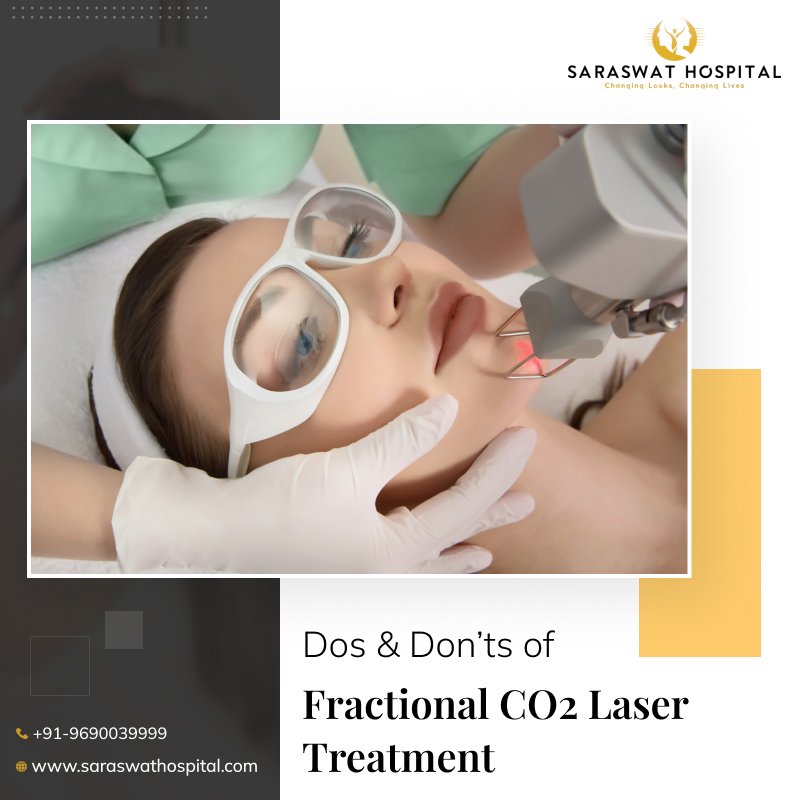
Dos & Don’ts of Fractional CO2 Laser Treatment

Acne is one of the most common skin problems that affects individuals irrespective of gender and age. While some people suffer from acne during puberty, many struggle with acne scars throughout their lives. Acne scars can have a very bad impact on people as they can lower their confidence and make them feel insecure. However, fortunately, people nowadays don’t have to live with their acne scars, unlike in yesteryears. With acne scar treatments such as Fractional CO2 Laser Treatment, one can bid goodbye to their acne scars. However, one should keep in mind to get such treatments from reputed cosmetic clinics such as Saraswat Hospital for the best results.

What is Fractional CO2 Laser Treatment?

Fractional CO2 laser treatment is a non-invasive skin treatment for treating acne scars. With the help of laser beams, the physicians reduce the appearance of acne scars. To explain clearly, in the affected area, doctors send laser microbeams to create tiny punctures. These microscopic holes on the skin trigger the body to produce more collagen that heals the tiny wounds completely and allows new skin to develop naturally in their place. The new skin covers the wounds, reduces the acne scarring, and adds a healthy and glowing look to the area. Since the process is non-surgical and allows the skin to heal naturally, it is one of the safest acne scar treatments available.

The effectiveness of the Fractional CO2 Laser Treatment lies in the fragmented nature of the procedure. As it is a spot treatment, the laser beams are not passed over all parts of the skin. This boosts the recovery time, and the effectiveness of the results increases.

Essential Dos & Don’ts Before and After the Procedure

A patient undergoing Fractional CO2 laser treatment must follow a few instructions before and after the procedure.

Pre-Treatment Instructions

Dos

  • Notify the doctor if you have a history of cold sores, so that you can take medications before the treatment day
  • Eat a light breakfast before the treatment
  • Make sure that someone is there to accompany you after the treatment
  • Wear comfortable clothes that are loose-fitting
  • Do make sure to bring a large hat with you when you visit

Don’ts

  • Don’t expose yourself to the sun. Keep in mind to avoid the sun one week before the treatment. Always make sure to wear a broad-spectrum sunscreen.
  • Don’t apply products that can irritate the skin, such as AHAs and retinoids, at least one week before the appointment.
  • Female patients should not wear makeup, lotion, or perfume around or on the area where they will receive the treatment. Male patients can shave in the morning, but should not apply any lotion or aftershave on or around the area on the appointment day.
  • Don’t wear contact lenses. They should be removed before the procedure. If required, patients can bring their eyeglasses.

Post-Treatment Instructions

Dos

  • For the first 2 to 3 days, apply an ice pack wrapped in a clean and soft cloth to the area that has received treatments. Apply these 1 to 5 times a day. After 3 days, apply the ice pack as and when required.
  • Gently wash the area with diluted white vinegar and water in the morning and the doctor’s prescribed soap at night or as suggested by the doctor.
  • Only apply the doctor’s prescribed ointments.
  • Use distilled water to clean the treated area.
  • Keep the treated area covered with a band-aid and change it two times a day after cleaning the area.

Don’ts

  • Avoid direct sunlight.
  • Don’t rub, pick, or scratch your eyes.
  • Avoid heavy exercise for a minimum of three days.
  • Avoid salty food.
  • Don’t apply makeup or sunscreen for at least three days.
  • Don’t apply any over-the-counter ointments to the area.
  • Don’t use sauna, swimming pools, hot tubs, or go for a bath for 1 to 2 weeks after the treatment.
  • Don’t shave the treated area.

Remember After Fractional CO2 Laser Treatment

After going through the fractional CO2 laser treatment, keep the affected area moisturised. This will help the skin to heal faster and better.

Conclusion

Fractional CO2 laser treatment effectively fights acne scars and also gives you rejuvenated, radiant skin. When you decide to go for such acne scar treatment, it is always better to know about the necessary dos and don’ts so that you can prepare yourself beforehand. However, make sure you choose a safe and respectable clinic for the best results. Book an appointment today to get the best laser treatment to keep your skin radiant and rejuvenated.

Follow us on:- FacebookInstagramPinterestYoutube

What are the Common Causes of Hair Loss?

The natural hair growth cycle is divided into anagen, catagen, and telogen. This refers to the growing phase, the transition phase, and the resting phase, respectively. In the resting phase, hair gets detached from the root before it finally sheds. This type of hair shedding is part of the natural cycle. We lose about 50-100 hair strands daily on average.

When a person starts losing more than 100 hairs daily, it is deemed a hair loss problem. If you suffer from such a condition and need effective hair loss treatment, then consult with the best hair specialist in Agra at Saraswat Hospital. Dr. Satya Saraswat and Dr. Preeti Saraswat are Diplomates from the American Board of Hair Restoration Surgery (ABHRS) with more than 20+ years of experience. They are the leading experts in all forms of hair restoration practices. 

When you go for professional hair loss treatment, the first course of action taken is to investigate the root cause of your hair loss problem. Below, we look at the common causes of hair loss that may result in advanced hair loss conditions.

Possible Common Causes of Hair Loss

In order to plan the best hair loss treatment, it’s crucial to diagnose the common causes of hair loss behind your hair loss. Share your medical history and current medications with your doctor and help him/her plan the best treatment for you. 

Genetic Factors

Androgenetic Alopecia refers to hair loss caused by hereditary factors. This type of hair loss affects both men and women. Over 80 percent of men and close to 50 percent of women lose their hair due to this condition.

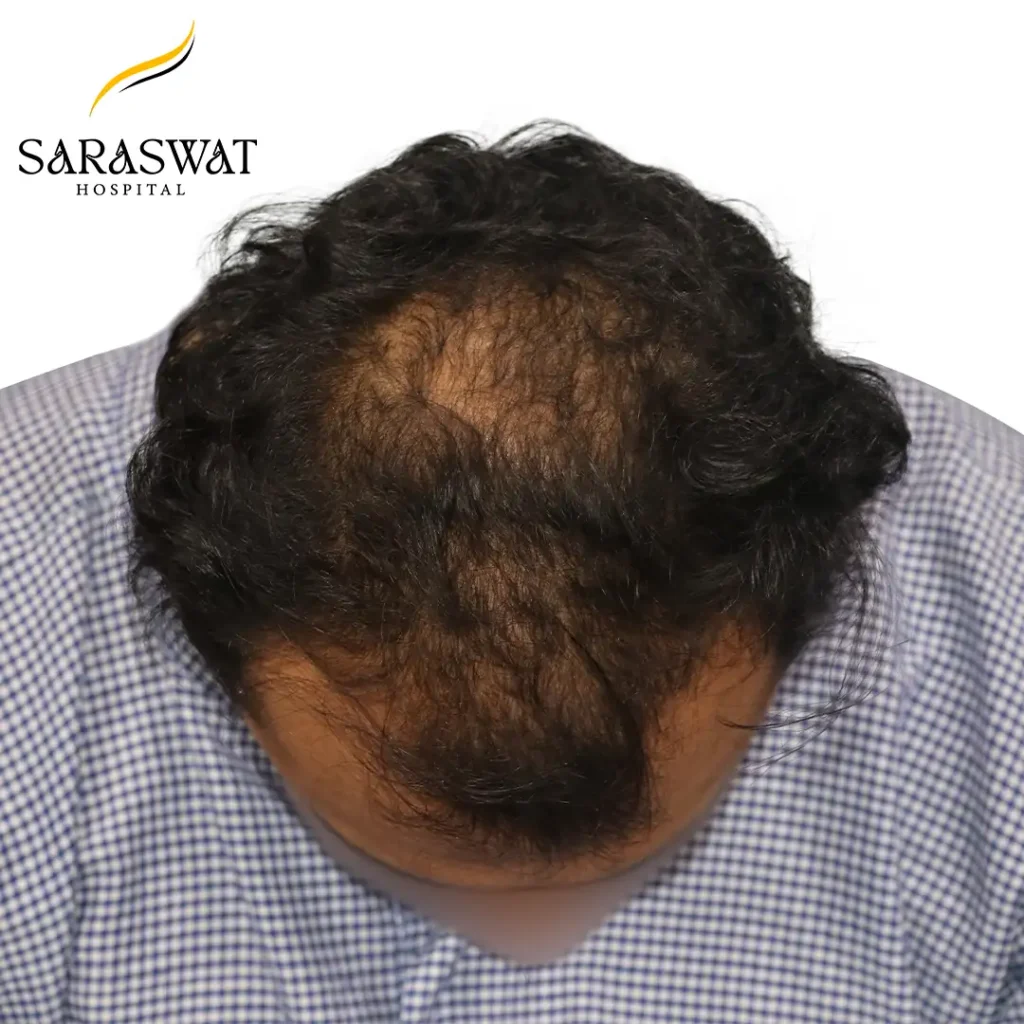
Androgenetic Alopecia in men is known as male pattern baldness. General characteristics include a receding hairline in the front and sides, a thinning crown area, and diffuse thinning all over the scalp. In women, it is referred to as female pattern baldness. A common symptom is a widening middle partition in the centre of the scalp. The treatment for genetic hair loss includes medication, low-light therapy, hair transplants, and scalp micropigmentation.

Hormonal Imbalance

Any significant change in a person’s regular hormone levels can cause serious hair loss. Hormonal changes can happen due to thyroid problems, pregnancy, and childbirth, among other reasons. The hair loss treatment will vary based on the type of hormonal imbalance happening in one’s body.

An overactive or underactive thyroid gland causes hair to fall in a general pattern. Medication keeps your thyroid levels at a normal range. This contains the hair loss problem.

The hair loss after giving birth is temporary in nature. As soon as the estrogen levels in the body become stabilised, the hair loss stops.

Lack of Nutrition

Our hair needs the proper vitamins, minerals, and nutrients to grow nicely. Without sufficient nutrition, hair becomes weak and brittle, ultimately resulting in hair loss.

Your daily diet should be rich in protein, zinc, iron, vitamin E, vitamin D, vitamin B, selenium, omega-3 fatty acids, and more. Fresh fruits, green vegetables, eggs, seafood, chicken, nuts, and pulses are some of the essential foods one must consume to grow healthy hair. You can also ask your doctor about foods that reduce hair loss and promote new hair growth.

Medical Factors

There are plenty of medical factors that can cause hair loss. A person may suffer from autoimmune diseases such as Alopecia Areata, anaemic conditions, or scalp infections.

Alopecia areata is a type of autoimmune disease in which the white blood cells in one’s body attack the hair follicles. This causes hair fall with circular bald patches seen all over the scalp.

Bacterial or viral infections on the scalp or blood-borne diseases like anaemia can also contribute to hair loss. Cancer patients undergoing chemotherapy or radiation may also suffer from hair loss.

If you’re clueless about which doctor you should consult for your hair loss treatment, watch this video: 

Conclusion

These are some of the most common causes of hair loss, as explained. Visit a hair doctor to treat the cause of hair loss. If you live in Agra or a nearby city, visit the best hair specialist in Agra at Saraswat Hospital. Our ABHRS-certified doctors provide customized treatment based on individual hair loss conditions.

Follow us on:- FacebookInstagramPinterestYoutube

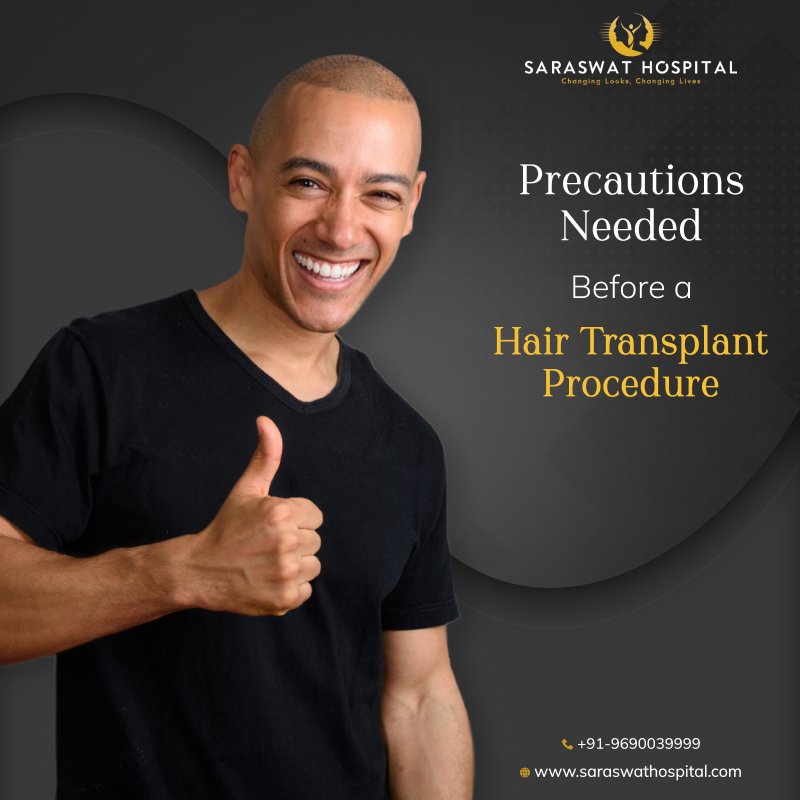
Precautions to Take Before a Hair Transplant Surgery

A hair transplant is a cosmetic procedure that gives a permanent solution to hair loss problems. Men and women, across all age groups, suffer from varying degrees of hair loss caused by different factors. This could be due to genetics, hormonal changes, nutrient deficiency, stress, medicinal side effects, or any other reason. When you seek a professional consultation at the no. 1 hair transplant clinic in India, you will be given a personalised hair loss treatment plan specially designed to suit your condition. Saraswat Hospital in Agra is led by ABHRS-certified surgeons, Dr. Satya Saraswat and Dr. Preeti Saraswat, who come with an experience of over 19 years.

What is a Hair Transplant?

A hair transplant is an advanced treatment plan for hair loss and baldness. Healthy hair follicles are extracted from the donor area of the scalp and then implanted in the recipient areas to cover your balding spots. The follicles extracted are typically taken from the back of the head. The hairs in this region are genetically programmed to never fall off. Hence, when new hair grows from the transplanted follicles, the hair growth becomes permanent.

If you are thinking of getting a hair transplant surgery in India, undergoing the procedure has the following benefits.

  1. Restores natural hairline
  2. Improves visual appearance
  3. Minimum maintenance
  4. Natural-looking and permanent results

Precautions to Follow Before a Hair Transplant Procedure

A hair transplant is a safe and painless procedure. But there are certain precautions a patient must follow before the surgery. When you visit the no. 1 hair transplant clinic in India, the doctor will ask you to follow the below precautions.

1. No smoking or drinking

Patients must stop smoking and drinking two weeks before the procedure. Smoking ingests nicotine in your body, which narrows the blood vessels and reduces the blood flow to your scalp. The carbon monoxide also decreases the oxygen capacity of your blood, which means incisions take longer to heal. Hence, smoking should be strictly avoided. Drinking alcohol is also restricted.

2. Stop taking certain medicines

Ten days before the hair transplant surgery, patients must stop taking certain medications. The restricted list includes painkillers and anti-inflammatory drugs such as aspirin, Advil, Ibuprofen, Vitamin B and E tablets, and any type of herbal or natural medicines.

3. Do not consume any blood thinners or steroids

Consuming steroids or blood thinners before the hair transplant procedure can lead to a risk of bleeding during the surgery. Hence, avoid such substances before the procedure.

4. Inform the doctor of any allergies

If you’re undergoing hair transplant surgery, then you must inform your doctor of any allergies you may have. Some patients may react negatively to anaesthesia or certain pain meds. The medical team should be aware of any such condition to reduce the risk of any complications during the surgery.

5. Avoid any styling products on the day of surgery

In preparation for the surgery, patients are advised to wash their hair thoroughly a day before the procedure or on the day itself. After the wash, patients must refrain from using any sort of styling products like hair gel, hair spray, etc.

Conclusion

Whether you opt for a hair transplant surgery in India or outside, patients have to follow a few guidelines both pre- and post-procedure. Following these hair transplant precautions helps ensure a full and quick recovery. At Saraswat Hospital in Agra, the doctor takes ample time to explain the essential dos and don’ts that a patient must follow. To avail of hair loss treatment at the no. 1 hair transplant clinic in India, contact Saraswat Hospital.

Follow us on:- FacebookInstagramPinterestYoutube

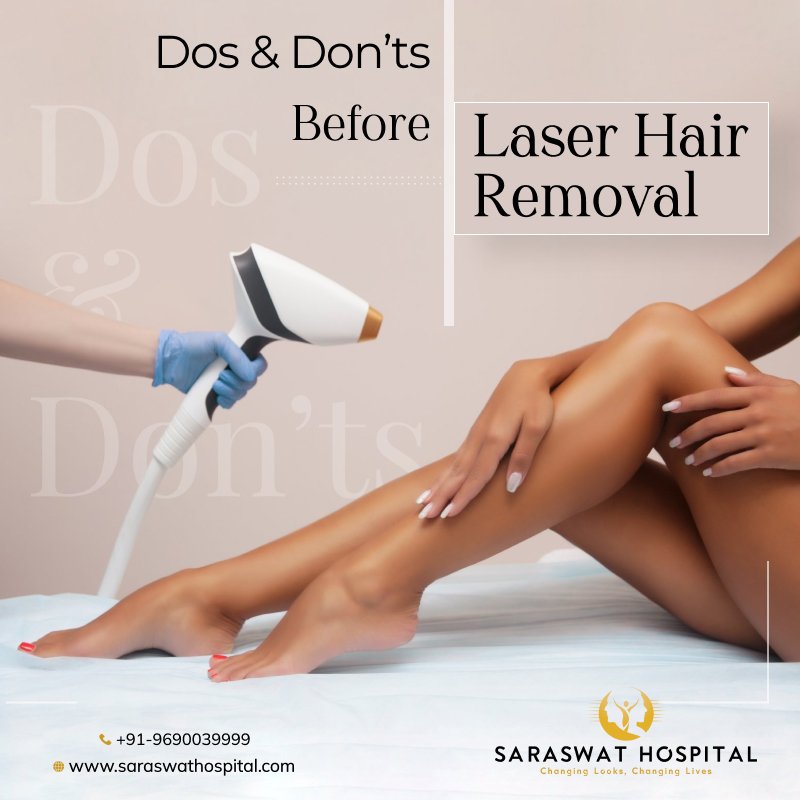
Dos & Don’ts Before Laser Hair Removal

Are you absolutely exhausted with the traditional methods of hair removal? Do you feel there is more hassle than benefit in waxing and shaving? Well, then, it is time that you look at other avenues to eliminate your unwanted body hair. Go for a permanent hair removal procedure with the help of laser treatment. If you’re living in Agra and looking for a safe and advanced clinic, then Saraswat Hospital provides the best choice for laser hair removal in Agra. Let’s discuss some necessary precautions before laser hair removal.

What is Laser Hair Removal?

Laser hair removal is a cosmetic procedure that targets a particular intended area to completely eliminate body hair. It is a safe and painless technique to get rid of all the unwanted hair growth from every part of the body. It is applicable for your arms, underarms, legs, bikini line, face, upper lip, back, chest, and stomach.

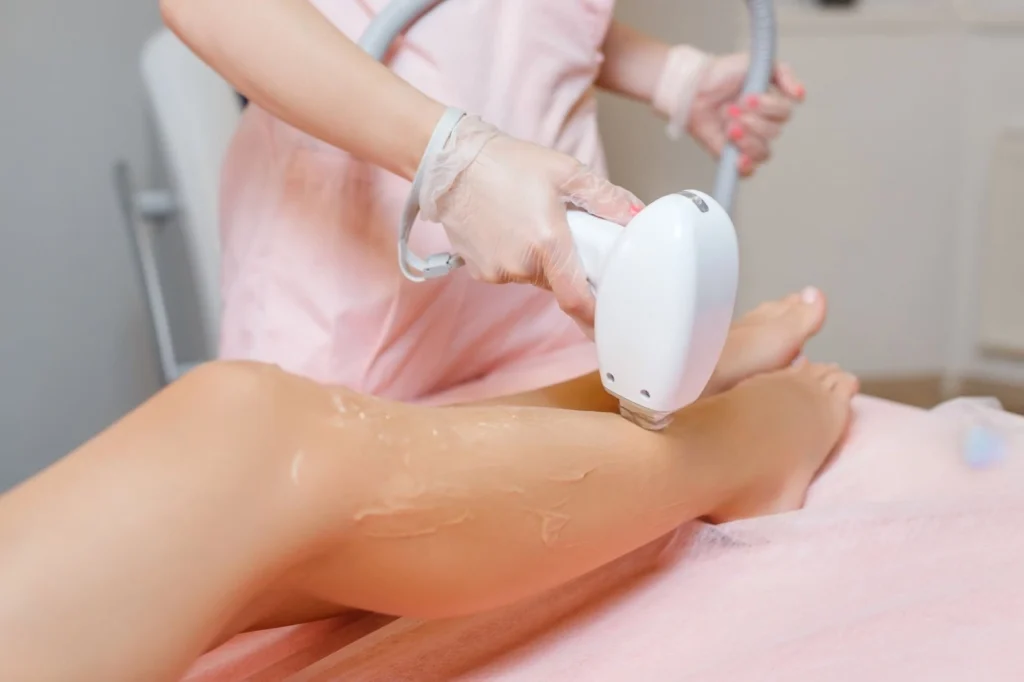
Our body hair grows in three stages: anagen, catagen, and telogen. Anagen is the active hair growth phase. During a laser hair removal procedure, the intended skin of the area is exposed to high-power laser beams. This completely destroys all the hair follicles from deep within the skin’s surface, thus stopping hair growth permanently. But the laser can only reach those hairs that are in the anagen phase, so multiple sessions are required for flawless results. The settings on the laser machine are changed as per the patient’s skin tone and body hair density.

At Saraswat Hospital, we have AAAM-certified doctors and specialists who are supported by the latest technology and state-of-the-art equipment. We offer the best treatment for laser hair removal in Agra.

Necessary Precautions Before Laser Hair Removal

Taking proper precautions before laser hair removal is essential for a safe and effective treatment. Avoid sun exposure and tanning for at least two weeks prior, as tanned skin can increase the risk of burns or discoloration. Shave the treatment area 24-48 hours before the session to ensure the laser targets the hair follicle effectively, but avoid waxing or plucking, as these remove the hair root needed for the procedure. Refrain from using skincare products with retinoids or acids for a week before treatment to prevent irritation. Finally, consult with a qualified technician to discuss your skin type, medical history, and any medications to minimize potential side effects.

  • No waxing, threading, or plucking

As explained above, the laser hair removal procedure only works on hairs that are in the active growth phase. Hence, it is advised to avoid treatments like waxing, threading and plucking for at least 4-6 weeks before your appointment. This is done to preserve the roots of your hair follicles, since the laser beams aim to target the hair roots for body hair elimination. If you do any waxing or plucking, then the laser will have nothing to aim for.

  • Avoid sun exposure and tanning

Long hours of sun exposure can lead to sun tan, skin discolouration, and sunburn. The settings on the laser machine are adjusted as per the patient’s skin tone and skin colour. Hence, a change in your skin tone may reduce the effectiveness of the treatment. This is why patients must keep out of the sun for 2-4 weeks prior to their appointment. Moreover, if a patient gets sunburn, then it may cause immense pain and blisters to undergo the procedure. Most likely, the laser appointment will get rescheduled to another date.

  • Say no to bleaching

Like tanning can alter the skin tone, applying bleach to your skin changes the hair pigment or colour of the hair root. This can confuse the settings of the laser machine and produce ineffective results. To avoid such a thing, patients must stop bleaching 6 weeks before their laser hair removal appointment. This will give enough time for your hair roots to go back to their natural pigment.

  • Shave the area

It is advised to shave the intended area 24 to 48 hours before the laser hair removal procedure. Shaving does not remove the hair root, but clears the skin surface of extra hair growth. This allows the laser machine to precisely target the pigment in each hair root hidden under the skin’s surface. It gives more efficiency.

  • Remove any creams or make-up

Before you go for your appointment, make sure you nicely wash up the intended area. Remove all make-up, creams, moisturisers, and body oils. Ensure your skin is completely clean before each session in order to achieve the best results.

Conclusion

Laser hair removal treatments are quick and efficient. Each session doesn’t last for more than 15 minutes and can be finished within a lunch break. But if you want to get the best result out of them, then you need to follow all the said precautions. For the best laser hair removal in Agra, get in touch with Saraswat Hospital.

Follow us on:- FacebookInstagramPinterestYoutube

What are the Commonly Asked Questions for a Hair Transplant?

Hair loss is one of the common problems of the modern age. Many people across the globe are suffering from hair loss issues. Hair transplant surgery is an advanced treatment procedure that offers a permanent solution to hair loss and baldness problems. Still, many people are hesitant about choosing this path. After all, it is a surgery with a direct impact on how one looks. And a botched-up result could do more harm than good. This is why one must seek treatment from the best hair doctor in Agra at Saraswat Hospital. The clinic is led by Dr. Satya Saraswat and Dr. Preeti Saraswat. Both of them are Diplomates from the American Board of Hair Restoration Surgery (ABHRS), and they specialise in all forms of hair transplant surgery. Below, we answer a few Hair Transplant FAQs that most people have regarding hair transplant procedures.

What is a Hair Transplant Surgery?

In a hair transplant procedure, hair follicles are taken from the donor part of the scalp and implanted into the recipient part of the scalp. The donor area generally refers to the back portion of the head. The hairs in this region are genetically programmed to never fall off. Hence, when these follicles are transplanted to one’s balding spots, the new hair that grows is permanent. So, hair transplants provide natural-looking and long-lasting hair growth results.

Hair Transplant FAQs

Many people considering hair restoration have questions about the procedure, so let’s address some common hair transplant FAQs. A hair transplant involves moving hair follicles from a donor area, typically the back of the scalp, to areas experiencing hair loss. The procedure is generally safe, with techniques like FUE (Follicular Unit Extraction) and FUT (Follicular Unit Transplantation) being the most popular. Below are some commonly asked hair transplant FAQs:

What are the types of Hair Transplant Surgery?

Hair transplants can be performed using two techniques.

Follicular Unit Extraction, or FUE, is the most advanced method for a hair transplant. Hair follicles are directly extracted from the scalp using a specialised FUE machine. Hair grafts are made and then transplanted to the recipient part of the scalp. There are no stitches involved, which means minimal scarring and a quick recovery.

Follicular Unit Transplantation, or FUT, is the traditional way of doing a hair transplant. A narrow strip of skin is removed surgically from the donor area of the scalp. Hair follicles are collected from this strip to prepare the grafts for the procedure. Stitches are done to close this incision, which results in a linear scar. It also has a longer recovery period.

Who is an Eligible Candidate for a Hair Transplant?

When you visit the best hair doctor in Agra at Saraswat Hospital, the patient is made to go through several tests and physical check-ups to make sure he/she is a viable candidate for the procedure.

The general criteria followed are as follows:

  • The person must be 21 years old or above
  • People having a well-defined pattern of baldness (both male and female)
  • People who grade 6 or above on the Norwood-Hamilton hair loss scale
  • People who have lost hair due to scarring, cosmetic surgery, or scalp injuries
  • People who have a clean bill of health with no medical complications

Is a Hair Transplant Painful?

A hair transplant is performed under the effects of local anaesthesia. Before starting the surgery, the patient is given an anaesthetic injection to numb the scalp region. This makes sure the patient feels zero pain or discomfort during the entire procedure. It is completely safe and painless.

How long does a Hair Transplant Take?

The time taken for a hair transplant procedure depends on the type of technique being used and the number of hair grafts needed. But generally, a standard hair transplant surgery shall take between 3 to 6 hours. Sometimes, a few patients may need multiple sessions of transplant, depending on the severity of their hair loss condition.

What is the average Cost of Hair Transplant in India?

The base price is calculated by the cost per graft multiplied by the number of hair grafts used in the procedure. Other external factors that influence the cost are the experience and credibility of your hair transplant surgeon, the reputation of the clinic, the technique and equipment being used, and the number of sittings required. All these together are taken into consideration to decide the final cost of hair transplant in India.

 Are there any Hair Transplant Side Effects?

A hair transplant surgery comes with minimal side effects. To prevent any complications, one must avoid taking medications like aspirin, anti-inflammatory drugs, steroids, or blood thinners before the surgery. Some common hair transplant side effects include mild headaches, numbness, swelling, scalp itchiness, bleeding, and infections. All of these can be managed by medications and some careful post-op instructions.

Does Hair Transplant Cause Scarring?

Scarring after a hair transplant depends on the type of technique being used. An FUE procedure leaves very minimal dot-like scars. But for a FUT procedure, a long linear scar on the back of the head is one of the expected hair transplant side effects. Luckily, this scar can be easily camouflaged once your hair grows out.

When can I return to work after a Hair Transplant?

Hair transplant patients can return to work 14 days after the procedure. Till then, they are expected to follow all the post-op restrictions, like no exercise or lifting heavy things.

When can I see results after a Hair Transplant?

The speed and density of a patient’s hair growth after a hair transplant surgery depend on their body’s natural hair growth cycle. Typically speaking, the transplanted follicles start growing hair 3-4 months after the surgery. And the complete results of a head full of hair can be seen 9-12 months after the procedure.

Conclusion

Your chances of getting a successful hair transplant result depend on the surgeon and the clinic that you choose. If you want a qualified and experienced hair transplant surgeon to perform your procedure, then book a consultation with the best hair doctor in Agra at Saraswat Hospital.

Follow us on:- FacebookInstagramPinterestYoutube

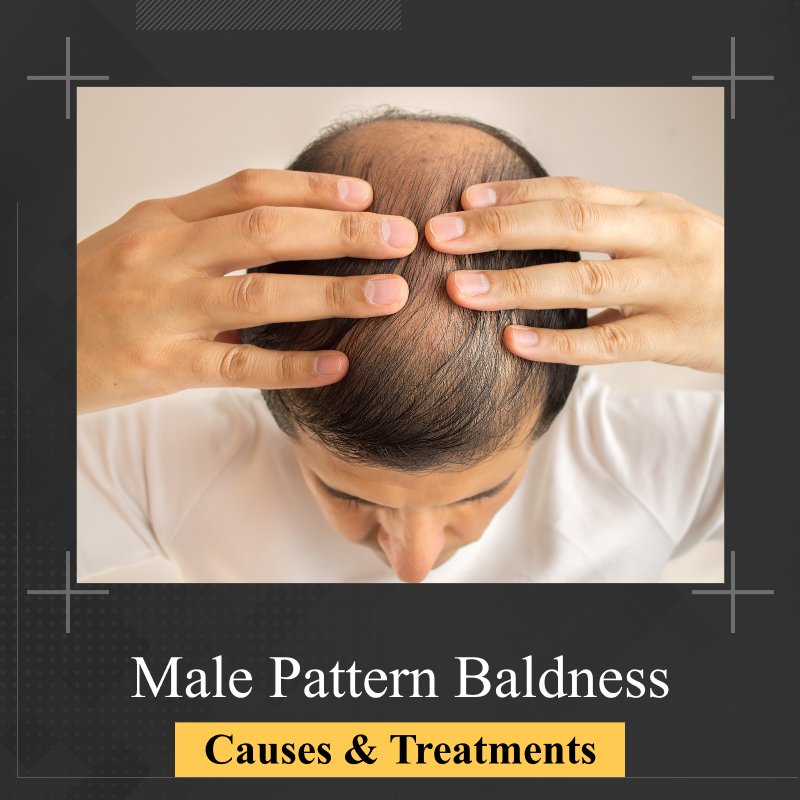
What are the Causes & Treatments for Male Pattern Baldness?

More than 50% of men in their lifetime go through a hair loss condition known as male pattern baldness. A receding hairline on the front and sides or thinning hair on the crown portion of the head are some common symptoms of baldness in men. It is advised that if a person starts losing more than 100 hairs in a day, then they must seek hair loss treatment from a hair specialist immediately.

Unfortunately, most men lose over 50% of the hair on their scalp before noticing any baldness pattern emerging. While hair loss can be attributed to several factors, such as genetics, stress, nutritional deficiency, and more, male pattern baldness is the most common cause of hair loss in men.

What is Male Pattern Baldness?

Male pattern baldness, also known as Androgenetic Alopecia, is the most frequent kind of hair loss seen in men. It is said that over 50% of men above 50 years of age are affected by male pattern baldness to some extent.

While this type of baldness is more common in middle-aged or older men, androgenetic alopecia can also affect younger men who are in their 20s and 30s. The common symptoms of male pattern baldness include a receding frontal hairline, a thinning crown area, and diffuse hair thinning affecting the entire scalp.

Causes of Male Pattern Baldness

The most common reason for male pattern baldness is hereditary factors. Genetics plays a crucial role, and it has often been seen that those with a family history of baldness are at a higher risk of getting affected by this condition.

The other major cause could be the increased levels of androgen, a male sex hormone, in your body. For example, having a high level of testosterone. The higher presence of androgens in your body can potentially disrupt the hair growth cycle of anagen-catagen-telogen and result in no new hair growing in the follicle. This leads to permanent hair loss.

Early Symptoms of Male Pattern Baldness

The most visible sign of male pattern baldness is hair loss. But on average, most people shed between 60-100 hair strands daily. This is part of the natural hair growth cycle and nothing to be alarmed about. One should consider seeking hair loss treatment from a professional in the following scenarios.

1. Receding Hairline

For those affected by male pattern baldness, the hairs on the front and sides of the scalp slowly start diminishing in volume. As a result, men gradually start sporting an M-shaped hairline.  If you start noticing any considerable change happening to your hairline, then it might be advisable to consult a specialist.

Causes of Male Pattern Baldness?

2. Thinning Crown

In some cases, male pattern baldness does not affect the hairline at all. But the hair in the crown region starts thinning and then eventually falls off completely.  Since one cannot see the top of their head, this sort of hair loss often goes undetected unless it is in an advanced stage.

3. Diffuse Thinning

This is a form of hair loss that affects the entire scalp on your head. Visible hair thinning can be seen in different parts of the scalp, but it does not affect the hairline visually. For men who have thin hair density, this symptom is easily detected in the early stages.

Treatment Options for Male Pattern Baldness

1. Medications

When you visit a hair doctor, he/she will first try to salvage the situation by prescribing medicines such as Finasteride and Minoxidil. These are common treatments for androgenetic alopecia and is helpful in managing early stages of hair loss.

Finasteride is an oral medication, and Minoxidil is a hair solution to be applied to the affected areas of scalp. Regular usage is known to produce guaranteed hair growth results over a period of 6-8 months. Both these medicines should only be taken based on the prescription of a doctor.

2. Hair transplant surgery

If you’re suffering from advanced levels of hair loss, then we suggest visiting a hair transplant clinic in India. Male pattern baldness causes your hair follicles to stop growing new hair, leading to permanent hair loss.

In a hair transplant surgery, healthy hair follicles are removed from the donor part of your scalp and then transplanted onto the balding portions known as the recipient area. In most cases, hair is taken from the back or the sides of the head as the hair in this region is genetically programmed to never fall off. When these follicles are transplanted to other parts of the scalp, the new hair that grows also never falls off. Hence, it gives a permanent solution to hair loss problems.

3. Scalp micropigmentation

For patients who are suffering from an overall thinning of hair, scalp micropigmentation could be a great solution for you. This is a cosmetic procedure where micro-needles are used to deposit pigment on one’s scalp, giving them an illusion of a fuller head of hair. This is not a real cure, but more of an aesthetic solution.

4. Low-level laser therapy

In this form of treatment, patients are exposed to multiple sessions of low-powered laser therapies to their scalp. The light energy emanated during this process stimulates the hair follicles, which in turn, boosts new hair growth.

Conclusion

Male pattern baldness is a common hair loss condition. It can disrupt your natural hair growth cycle and stop your follicles from growing new hair. If you’re suffering from any early symptoms, we suggest visiting a reputed and trusted hair transplant clinic in India, such as Saraswat Hospital in Agra. Consult with the leading hair experts of the country to receive personalised treatments for your hair loss problems.

Follow us on:- FacebookInstagramPinterestYoutube

What are the Different Types of Acne Scars and Their Best Treatment?

Acne is a common skin problem faced by both men and women, especially seen in people with oily skin. It is more common in the adolescent years, but can be troubling in the adult years, too. Acne is caused by the clogging of skin pores due to excessive oil particles, dead skin cells, and dust. This can lead to pimples, whiteheads, blackheads, and different types of acne scars on the skin.

Everyone hates going through the experience of angry, red acne on their skin. But what’s even more terrible are the scars left behind by acne. Acne scars are notoriously hard to get rid of. You need to seek advanced acne scar treatment from professional experts to regain clear and smooth skin.

At Saraswat Hospital in Agra, we offer advanced treatment for all types of acne scars. Below, we look at the different types of acne scars.

Different Types of Acne Scars

The severity of acne can be graded into mild, moderate, and severe. In cases of severe acne, it can cause aching, pus-filled bumps, referred to as cysts or nodules, below the skin, which may lead to different types of acne scars.

On the other hand, pus-filled pimples and red bumps are referred to as moderate acne. Mild acne is indicated by less irritating blackheads or whiteheads that may or may not appear with pustules or red bumps.

Different Types of Acne Scars

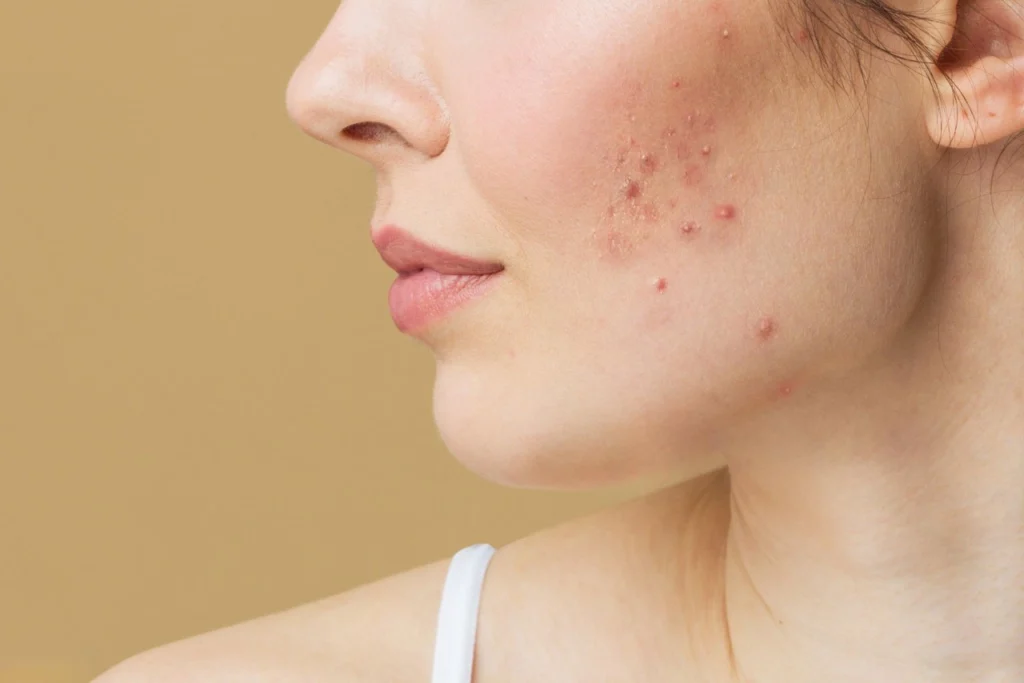
Usually, mild or moderate acne leaves behind brown or light red marks, which disappear over time on their own. However, severe acne tends to leave a permanent scar on the skin. Moreover, a permanent scar generally develops when you squeeze or pick your acne rather than allowing it to heal or treat it under a dermatologist’s supervision.

Atrophic scars

Atrophic scars refer to the shallow and flat depressions that heal below the uppermost layer of the skin. Scars like these are generally outcomes of severe cystic acne that are painful in nature. Nonetheless, several other kinds of acne can lead to these atrophic scars at the same time. Atrophic scars can be classified into three types:

  1. Ice pick scar: Ice pick scars can be identified when you observe narrow and smaller indentations pointing toward the skin surface that are clearly visible. Treating this kind of scar is nothing less than a challenge. Also, they might require aggressive and persistent acne scar treatment to see positive results over time.
  2. Boxcar scar: Boxcar scars are identified by depressions that appear like a box with sharp edges. Generally, chickenpox, widespread acne, or varicella lead to the formation of Boxcar scars. They usually form on the jaw and lower cheek areas, where the skin is comparatively thick.
  3. Rolling scar: Rolling scars don’t have a fixed depth. They make the skin appear wavy and uneven because of the sloppy edges of the scars.

Hypertrophic scars

Hypertrophic scars appear as raised lumps of scar tissue in the area of the acne. This scar is formed by the buildup of scar tissue that sometimes may be the outcome of previous acne spots.

Keloid scars

Unlike hypertrophic scars, keloid scars grow beyond the border of the place where the acne once was. Keloid scars generally have a smooth and firm natural overgrowth of fibrous tissue on a healed acne region.

Fractional CO2 Laser Acne Scar Treatment

The fractional CO2 laser is considered to be one of the best acne scar treatment procedures recommended by experts. In this method, laser beams are used to create small wounds on the uppermost layers of the skin. This increases the collagen production in our body to speed up the healing process. As a result, a new layer of skin is formed with visibly reduced scars and a revitalized glow.

Fractional CO2 laser treatment is a great cure for people with acne scars, dark spots, pigmentation, wrinkles, and fine lines. At Saraswat Hospital, we have AAAM-certified international experts to guide you with personalized treatments based on the severity of your acne scars.

Conclusion

Highly visible acne scars on the face can lead to self-consciousness and a lack of confidence for many people. The best way to combat such situations is by opting for advanced acne scar treatment by experienced professionals.  Visit Saraswat Hospital in Agra for a personalised consult by the experts.

Follow us on:- FacebookInstagramPinterestYoutube

What are the Common Areas of the Body for Laser Hair Removal?

Excessive body hair can be a nuisance for most people. No one likes to have unwanted body hair, and the traditional hair removal methods may not be fully effective. Waxing or shaving does not give permanent results, and it also takes up a lot of time and effort. This is why more and more people are now gravitating towards laser hair removal procedures. Approved by the US-FDA, it is a safe and painless hair removal method. Lasers are targeted directly to the skin to destroy the hair follicles from within. Since the hair root is destroyed, hair growth stops permanently.

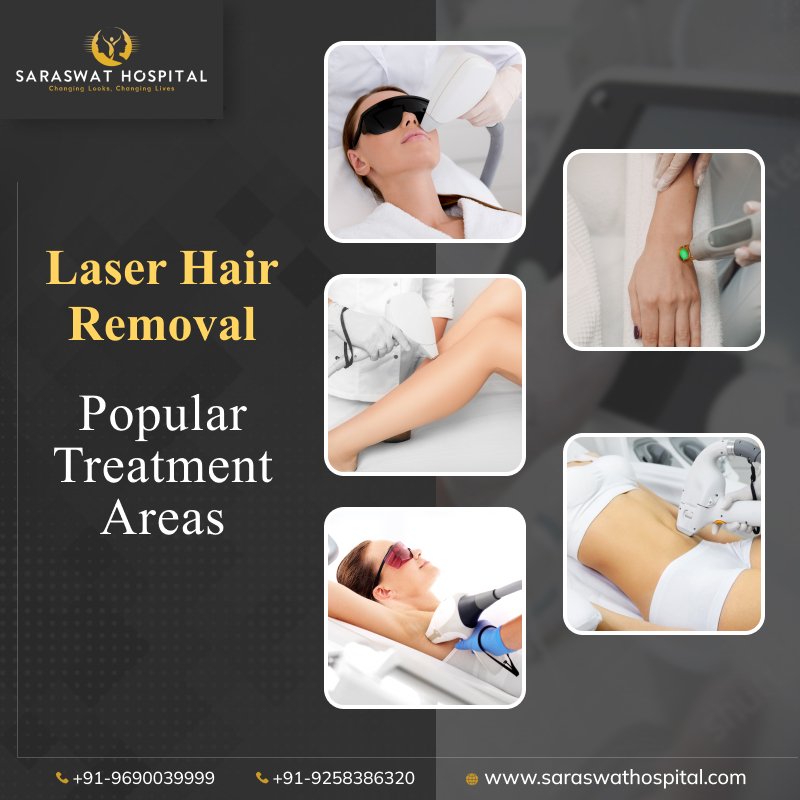
Below, we look at the most common body parts applicable for laser hair removal treatment.

Face

Removing facial hair can be a treatment opted for by both men and women. It is commonly done to remove the extra hair growth from facial areas like the chin, upper lip, cheeks, and sideburns. Laser hair removal sessions for facial hair need about 4-5 sessions that are spread out over 3-4 weeks. Each session doesn’t last more than 15 minutes, but long breaks are taken to give the treated areas a chance to heal properly. It is much more preferable to waxing or shaving as it provides a long-lasting solution and is also relatively painless.

Types of Laser Hair Removal

Arms

Arm hair removal is a popular procedure among women. For those who want to flaunt their bare skin always, laser treatments give them a great option to get rid of their unwanted, fuzzy arm hair. Repeated waxing or shaving can cause rashes, cuts, itching, or dryness. Opting for laser-assisted hair removal gives a clean and effective solution.

Underarms

This is again commonly opted for by both men and women. Excessive growth on the underarms can feel icky and sweaty for many people. A laser treatment gives them a clean and hygienic solution to bare underarms for a lifetime.

Legs

Imagine the luxury of never having to wax or shave your legs ever again! Most women like to opt for laser hair removal treatment for their legs. The number of sessions required in this kind of procedure will depend on the patient’s natural hair growth cycle and the thickness of the existing hair on the legs. Removing leg hair also includes any hair growth on the feet and toes.

Common Areas For Laser Hair Removal

Bikini line

Traditional hair removal methods, such as waxing and shaving, are extremely painful for the bikini line region of the body. Moreover, the short-term results mean women have to go through the pain repeatedly. Undergoing a laser procedure gives them painless hair removal with long-lasting effects, thus making life easier.

Abdomen

Many people have excess hair in the area around their navel. Both men and women can opt for a laser procedure to have a smooth, hairless abdomen. With multiple sessions, the hair growth can be at first diminished and then permanently stopped.

Back

While waxing is a viable option, shaving one’s back by oneself is fairly impossible to do. Many women like to go for laser hair removal on the back as it allows them to wear backless dresses whenever they want without having to worry about body hair. Men who have an excessively hairy back may also opt for this procedure.

Chest

Some men are known to have an extra hairy chest, a trait that’s not desirable for many. Hence, removing chest hair by laser treatment is a common procedure among men. Depending on the thickness of hair and the natural hair growth cycle, it may take multiple sessions. A laser procedure is a much simpler and less painful solution than regular grooming methods of waxing or shaving.

Conclusion

Unwanted body hair can cause many woes for both men and women. It requires time, effort, and money to regularly groom it month after month. Opting for laser hair removal treatment permanently removes all body hair from the roots. At Saraswat Hospital in Agra, we provide safe and painless laser procedures for all types of hair removal needs. To know more, get in touch with our experts.

Also Read: 4 Tips to Take Care of Your Skin After a Laser Hair Removal

Follow us on:- FacebookInstagramPinterestYoutube

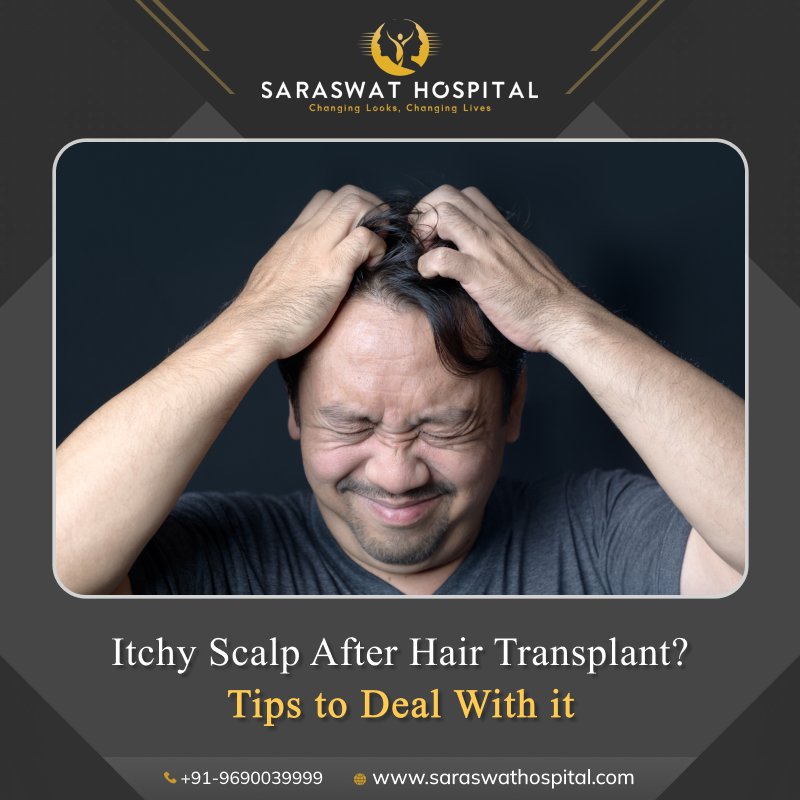
How to Deal with an Itchy Scalp after a Hair Transplant?

Hair transplant is a surgical procedure. Like every other post-operative situation, hair transplant patients undergo a certain recovery period. If you’re undergoing a hair transplant in India, Saraswat Hospital in Agra is one of the best hair transplant clinics offering excellent pre- and post-treatment care. Patients are given a list of dos and don’ts after the surgery and have regular follow-up appointments to monitor their progress.

Is it Normal to have an Itchy Scalp after a Hair Transplant?

You may experience an itchy scalp after a hair transplant in the donor and recipient areas. It is normal to feel the itching sensation as it is a symptom of the healing process and generally resolves on its own. When wounds in our body heal, certain chemicals are released that trigger the itchy feeling.

Sometimes, the scalp may bleed as a response to the wounds and stop once the clots form. Thereafter, the clot begins to dry and forms scar tissue around the area of the wound. This is exactly what happens after a hair transplant surgery. As the scalp begins to heal, scar tissue is formed, which helps to prevent infection during the process of healing.

The immune system of the body also protects the treatment area during this phase from getting any infection. Besides an itchy feeling, the patient may also experience swelling and tenderness. The white blood cells and the body’s platelets repair the surgical area, and new tissues begin to form within a few weeks. Therefore, new skin develops, and the wound scars start to disappear. This is when you may feel a certain amount of itchiness for a while as the scabs fall off.

However, with proper post-operative care, the itchy sensations can be kept under control. Therefore, selecting a good hospital for a hair transplant in India is of great importance. If you live in India, then you can trust Saraswat Hospital in Agra for safe and painless hair transplant procedures with quality post-operative care.

How to Deal with the Scalp Itchiness?

Below are some suggestions from hair transplant specialists on dealing with an itchy scalp after undergoing an FUE hair transplant in India.

Do not scratch the area

It might be tempting to scratch the treatment area; however, know that it is best to restrain yourself and not scratch the area. Scratching the newly implanted hairs can lead to skin infection, folliculitis, or hair follicle infection.

Use saltwater spray

After the surgery, you will be advised not to wash the treatment area for the next four to five days. Instead, your surgeon may recommend using a saltwater spray. It helps to nourish the implanted hair and removes dirt and debris. Keeping your scalp clean reduces the itchy feeling.

Take an antihistamine

As the scalp heals after the surgery, the body releases histamine. This is a chemical produced by some of our body’s cells, which causes itchiness. To avoid feeling severe itchiness, the doctor may prescribe you some anti-histamine tablets to reduce the amount of histamine produced by the body.

Medicated shampoos

The doctor may recommend a medicated shampoo such as Ketoconazole to patients who experience itchiness for more than two weeks. Using this shampoo twice a week for two to four weeks can help reduce scalp itchiness.

Steroid scalp medication

If the itchiness persists beyond three to four weeks, your surgeon may prescribe a powerful steroid scalp medication for you. Applying this solution for the number of days the doctor has suggested can cure the itchiness. However, this medication should only be taken with the prescription of the doctor and not otherwise.

Conclusion

If you have been thinking of getting a hair transplant done, know that it is perfectly normal to experience an itchy scalp after a hair transplant. In fact, it is good because it’s a sign of the healing process. With the right post-op care, the itchiness can be managed easily with the above-discussed solutions. If you are based in India and searching for a hospital that can offer you the best FUE hair transplant in India, then you must consult with the top surgeons at Saraswat Hospital in Agra.

Follow us on:- FacebookInstagramPinterestYoutube

whatapp icon